How to Remove Tea Stains from Carpet: A Guide to Stain-Free Floors
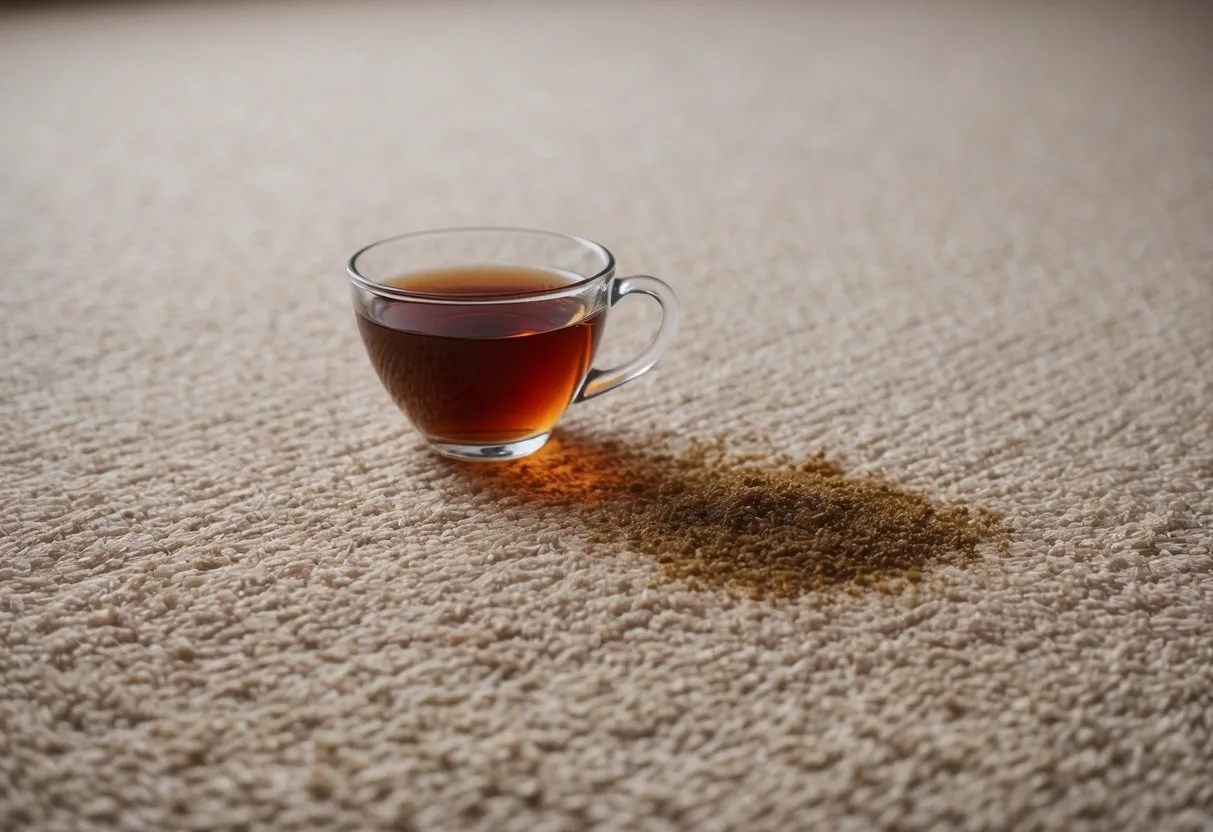
Spilled your cuppa? Don’t despair! Tea stains on carpet are a common household mishap, but with the right approach, you can often remove them completely. This guide provides a step-by-step method for tackling tea stains, along with some tips specific to Australian carpet types and cleaning products.
Act Fast: The Golden Rule
The most important thing with tea stains is to act immediately. The longer the tea sits, the more it sets into the carpet fibres, making it harder to remove. Don’t wait – grab a clean cloth and get to work!
Step 1: Blot, Don’t Rub
- Absorb the Excess: Use a clean, white, absorbent cloth or paper towel to blot up as much of the spilled tea as possible. Never rub, as this will spread the stain and push it deeper into the carpet fibres. Work from the outside of the stain inwards to prevent it from spreading.
- Repeat: Continue blotting with fresh sections of the cloth until no more tea is transferred.
Step 2: The Cleaning Solution – Choose Wisely
There are several effective cleaning solutions for tea stains. Start with the gentlest option and progress to stronger methods only if necessary:
- Option 1: Cold Water: Often, plain cold water is enough, especially for fresh spills. Continue blotting with a clean cloth dampened with cold water.
- Option 2: White Vinegar Solution: Mix equal parts white vinegar and cold water. White vinegar is a natural cleaner and deodorizer. Apply the solution to the stain with a clean cloth, blotting gently. Always test this solution in an inconspicuous area of the carpet first to ensure it doesn’t affect the colour.
- Option 3: Dish Soap Solution: Mix a few drops of mild dishwashing liquid (like Morning Fresh or Fairy) with cold water. Avoid using too much soap, as it can leave a residue. Apply and blot as with the vinegar solution.
- Option 4: Commercial Carpet Cleaner: If the above methods don’t work, you can use a commercial carpet stain remover. Choose one specifically designed for carpet and follow the manufacturer’s instructions carefully. Again, test in an inconspicuous area first. Popular Australian brands include Vanish, Bissell, and No Vac.
Step 3: Rinse and Dry
- Rinse thoroughly: After using any cleaning solution, it’s crucial to rinse the area with clean, cold water. This removes any remaining cleaning solution and prevents residue buildup. Use a clean, damp cloth to blot the area repeatedly.
- Dry completely: Allow the carpet to air dry completely. You can speed up the process by blotting with dry cloths, using a fan, or opening windows. Avoid walking on the damp carpet until it’s fully dry, as this can cause dirt to stick to the fibres.
Step 4: Stubborn Stains – Extra Measures
If the stain persists after trying the above methods, you can try these additional steps:
- Baking Soda Paste: Make a paste of baking soda and water. Apply it to the stain, let it dry completely, and then vacuum it up. Baking soda absorbs odours and can help lift the stain.
- Salt: For fresh, wet stains, covering the area with a generous layer of salt can help absorb the tea. Let it sit for several hours or overnight, then vacuum.
- Professional Carpet Cleaning: If all else fails, or if you have a delicate or valuable carpet, consider calling a professional carpet cleaner. They have specialized equipment and cleaning solutions that can effectively remove stubborn stains.
Tips for Australian Carpets
- Wool Carpets: Be particularly careful with wool carpets, as they are more sensitive to harsh chemicals. Avoid using bleach or strong alkaline cleaners. Stick to the gentler methods (cold water, vinegar solution, mild dish soap).
- Synthetic Carpets (Nylon, Polyester, Polypropylene): These carpets are generally more stain-resistant and can tolerate stronger cleaning solutions, but always test in an inconspicuous area first.
- Blended Carpets: Follow the guidelines for the most delicate fibre in the blend.
Preventing Future Stains
- Treat Spills Immediately: As mentioned earlier, quick action is key.
- Use Coasters and Placemats: Protect your carpet from spills by using coasters under cups and placemats under plates.
- Consider a Carpet Protector: Applying a carpet protector (like Scotchgard) can help repel stains and make future cleaning easier.
*Disclaimer: This blog post provides general information and advice on removing tea stains from carpet. It is not a substitute for professional advice. Always test any cleaning solution in an inconspicuous area of the carpet first to ensure it doesn’t cause discoloration or damage. The effectiveness of these methods may vary depending on the type of carpet, the age of the stain, and other factors. HomeInsider.com.au is not responsible for any damage or injury resulting from the use of information provided in this blog post.
This article is general information, not professional advice. Check with a licensed tradesperson, agent or adviser before making decisions about your home.
Keep reading

How to Avoid Moisture on Windows: A Guide to Condensation Control
Window condensation, that annoying fogging up of your glass, is a common problem in many Australian homes, particularly during colder months or in humid regions. It’s more than just an…
How to Get Rid of Cockroaches at Home: An Aussie Guide
Cockroaches. Just the word can send shivers down your spine. These unwelcome guests are a common problem in Australian homes, especially in warmer climates. They’re not just unsightly; they can…
Best Native Plants for Small Gardens in Australia
Creating a beautiful and thriving garden in a small space is entirely possible, especially when you choose Australian native plants. Natives are perfectly adapted to our climate, require less…